Cassandra loved surprises only when she was the one engineering them, but she loved Thai food enough to forgive almost anything, and there was a place ten minutes from our house that made drunken noodles exactly the way she liked them: extra basil, no carrots, enough heat to make her eyes water and pretend they weren’t. I thought I would stop there on the way home. I thought maybe we would eat at the kitchen island instead of in front of separate screens. I thought maybe I would get one evening with my wife that belonged to us and not to work, or errands, or our adult son asking for one more temporary favor that somehow always involved money.
I was in a good mood.
I should have known better.
The first thing I saw when I turned onto our street was Preston’s car in the driveway.
I actually slowed down before I reached the house, like my body had registered the problem a full second before my brain did. Preston was twenty-six. Married for two years. Living across town with his wife, Lindsay, in an apartment nicer than the one Cassandra and I had lived in during our first seven years of marriage. I knew this because I had helped furnish it. I had paid for the living room sofa and the dining table and, after a great deal of sighing from Cassandra, the absurd espresso machine Preston insisted was an investment in quality of life.
Preston did not drop by unannounced on a Tuesday afternoon.
Preston barely dropped by when invited.
I pulled to the curb instead of into the driveway and sat there with the engine idling. Across the street, Mrs. Keller’s flag was snapping in a dry breeze. Somebody down the block was mowing a lawn. A UPS truck rolled past the corner. All normal. All offensively normal.
I remember saying out loud, to absolutely no one, “Warren, why is your son’s car in your driveway on a Tuesday?”
No answer came.
So I turned off the ignition, grabbed my carry-on, and walked to the front door.
The second thing I noticed was the silence.
Not the good kind. Not the kind that means somebody fell asleep with a book in their lap or music is playing low in another room. This was thick silence. Heavy silence. The kind of silence that makes a house feel occupied by something other than people.
I let myself in and stepped into the foyer.
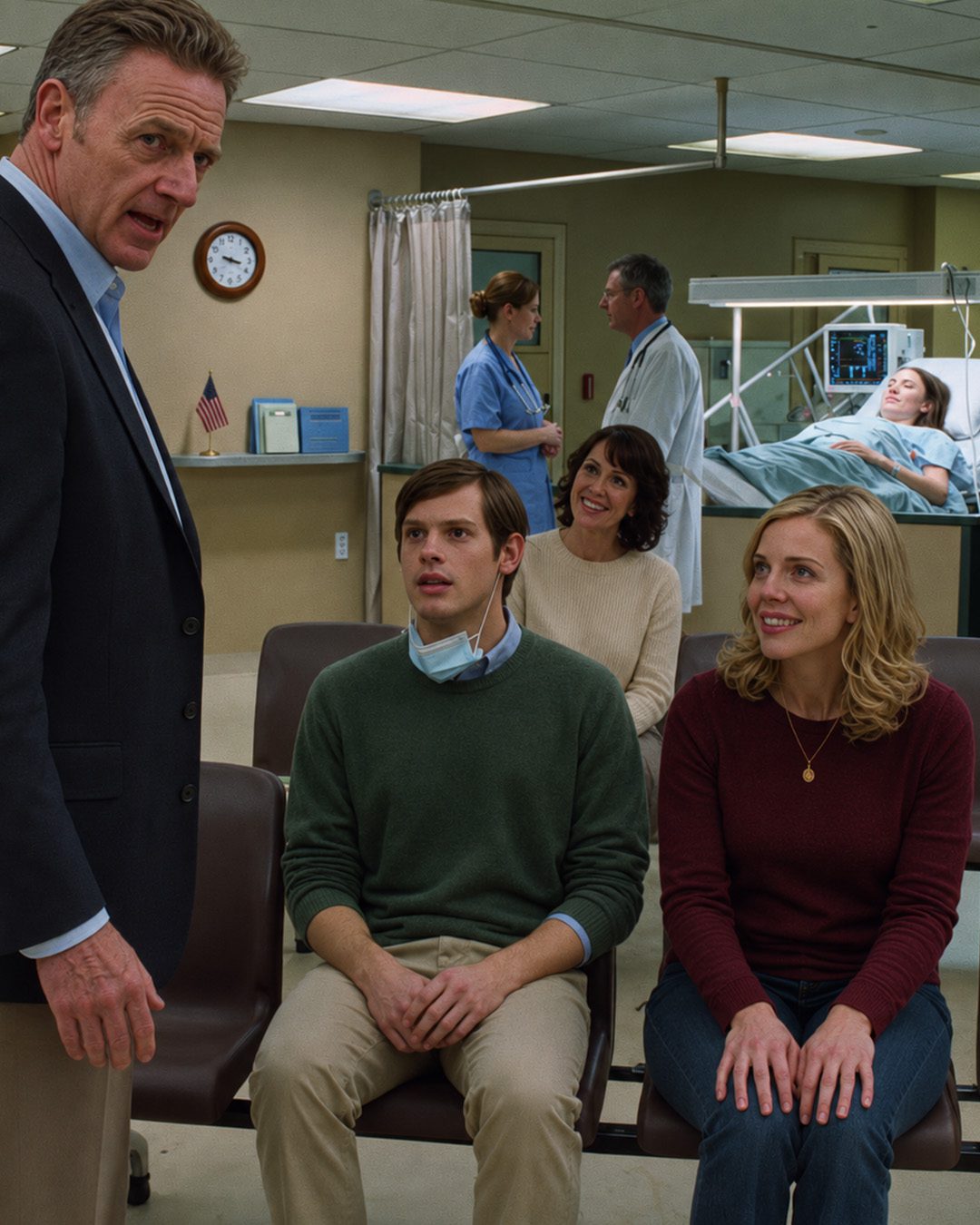
Preston and Lindsay were sitting on the couch in the living room.
That, by itself, would not have made my skin go cold.
It was what they were not doing.
They were not watching television. They were not scrolling on their phones. They were not talking to each other. They were just sitting there, side by side, straight-backed, hands too still, like two people in a waiting room who already knew the doctor had bad news and were now only waiting to hear how bad.
Preston looked up first.
I have replayed that moment enough times to wear grooves in it, and every time I come back to the same detail: he was not surprised to see me.
Think about that.